
Concrete walls and columns are cast between two formwork faces that must stay a fixed distance apart while tonnes of wet concrete push outward. Steel tie rods hold the faces together. PVC tie rod pipes and cones let those rods be recovered and reused, and they control the finished wall thickness. Here is how the system works and how to choose the right parts.
How the tie rod system works
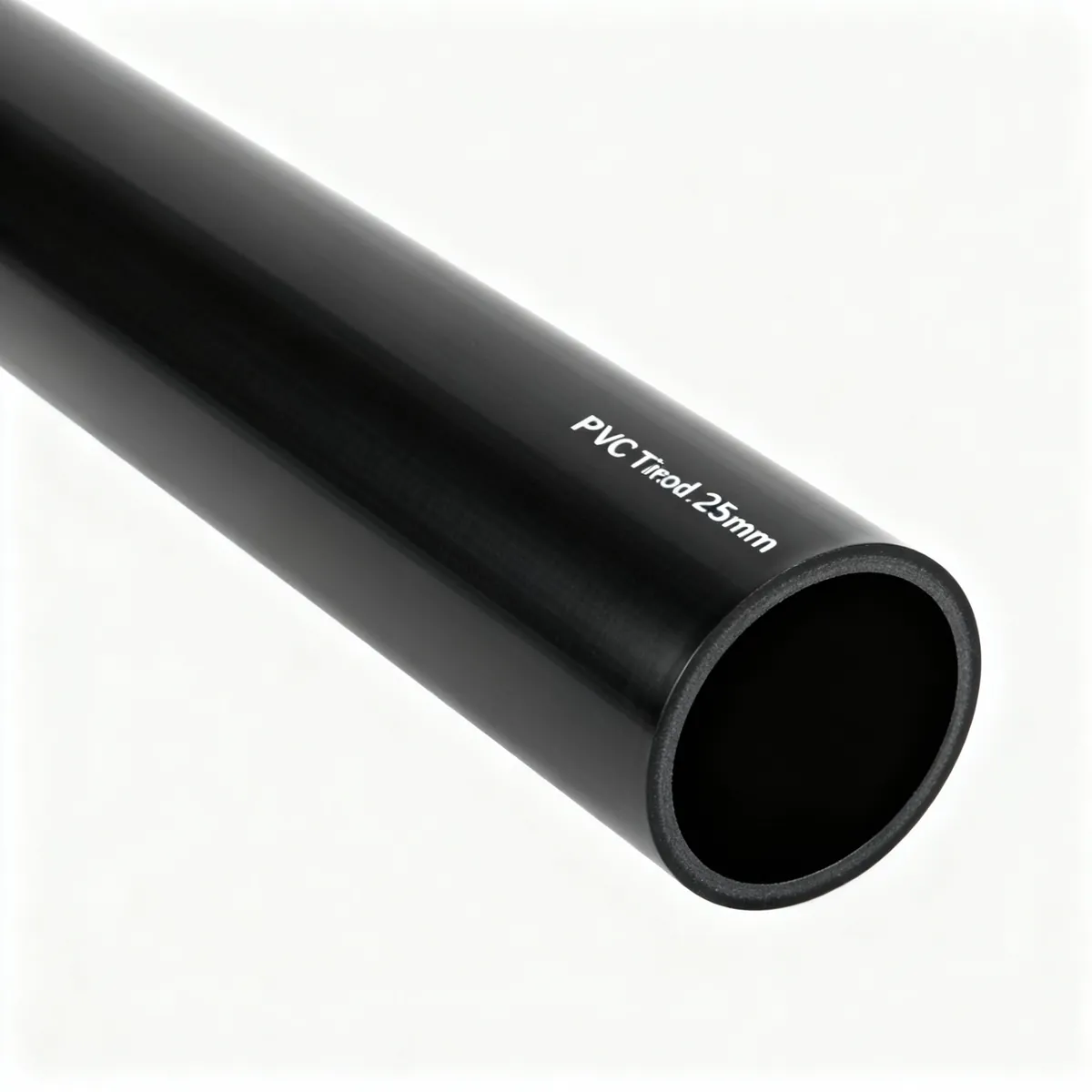
- A PVC tie rod pipe (spacer sleeve) is cut to the wall thickness and placed between the two formwork faces.
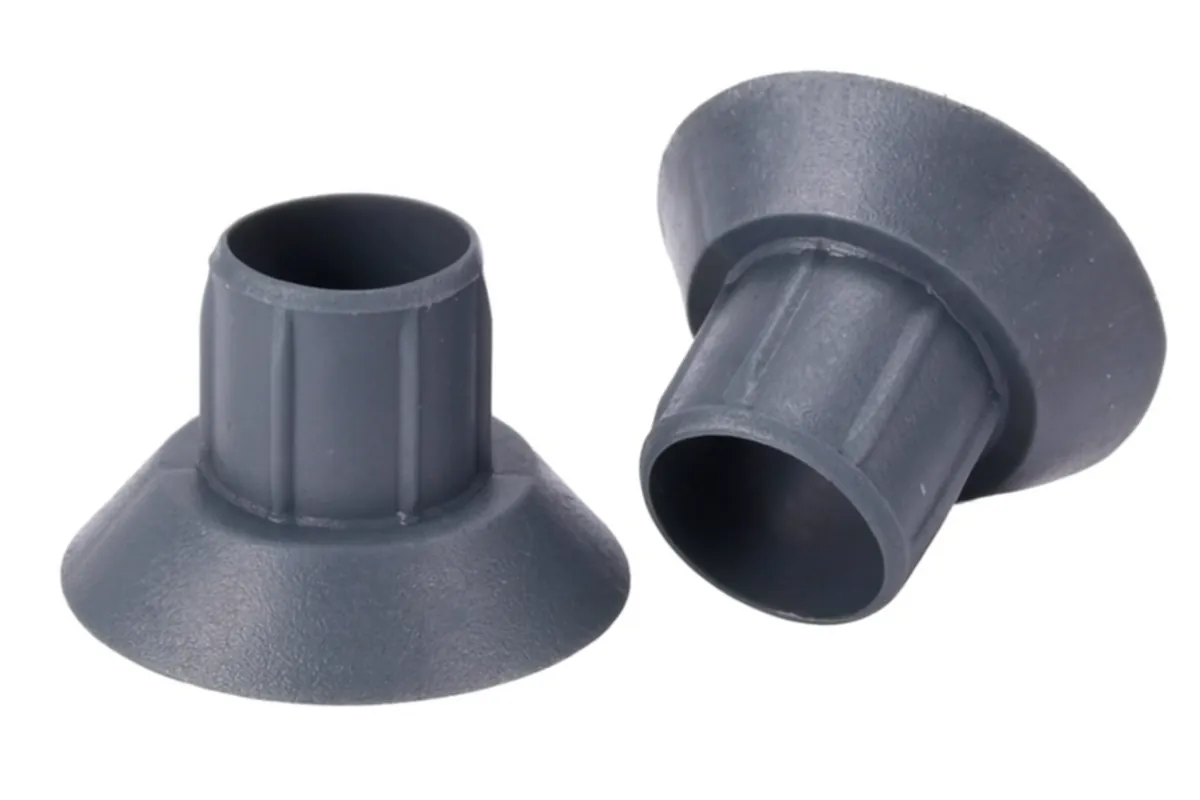
- PVC cones are fitted at each end of the pipe, against the inside of the formwork.
- The steel tie rod passes through the pipe and the formwork, and is tightened with wing nuts and plates outside.
- After the concrete sets, the tie rod is unscrewed and pulled out through the pipe. The pipe stays in the wall; the cones are removed, leaving a neat recess.
- The holes and recesses are filled with grout or mortar plugs.
Without the pipe, the tie rod would be cast into the concrete and lost. With it, the same rods are used again and again across pours.
Choosing a tie rod pipe
Kunplast PVC tie rod pipes are 25 mm in diameter, 3 m long and black, supplied in sets of 25. They come in three wall thicknesses:
| Wall thickness | Good for |
|---|---|
| 1 mm | Light-duty formwork, thinner walls, cost-sensitive jobs |
| 1.5 mm | General building walls and columns |
| 2 mm | Heavier formwork, taller pours, rough site handling |
A thicker wall resists crushing when the formwork is tightened and when concrete is vibrated, so the pipe keeps the wall thickness accurate.
Choosing tie rod cones
Kunplast PVC tie rod cones fit 22 mm diameter pipes and are packed 1000 per pack. Cones do three jobs: they position the pipe square to the formwork, reduce grout leakage at the hole, and leave a tapered recess that is easy to plug. Confirm your pipe diameter before ordering so the cone fits tightly.
Site tips
- Cut pipes square and to exact length (wall thickness minus the cone depth at both ends).
- Keep pipes horizontal and in line with the holes in both formwork faces, or the rod will bind.
- Don't over-tighten. Crushing the pipe changes the wall thickness and makes the rod hard to remove.
- Strip cones carefully and keep good ones for reuse.
- Fill holes promptly, especially in water-retaining structures and basements, using the method your engineer specifies.
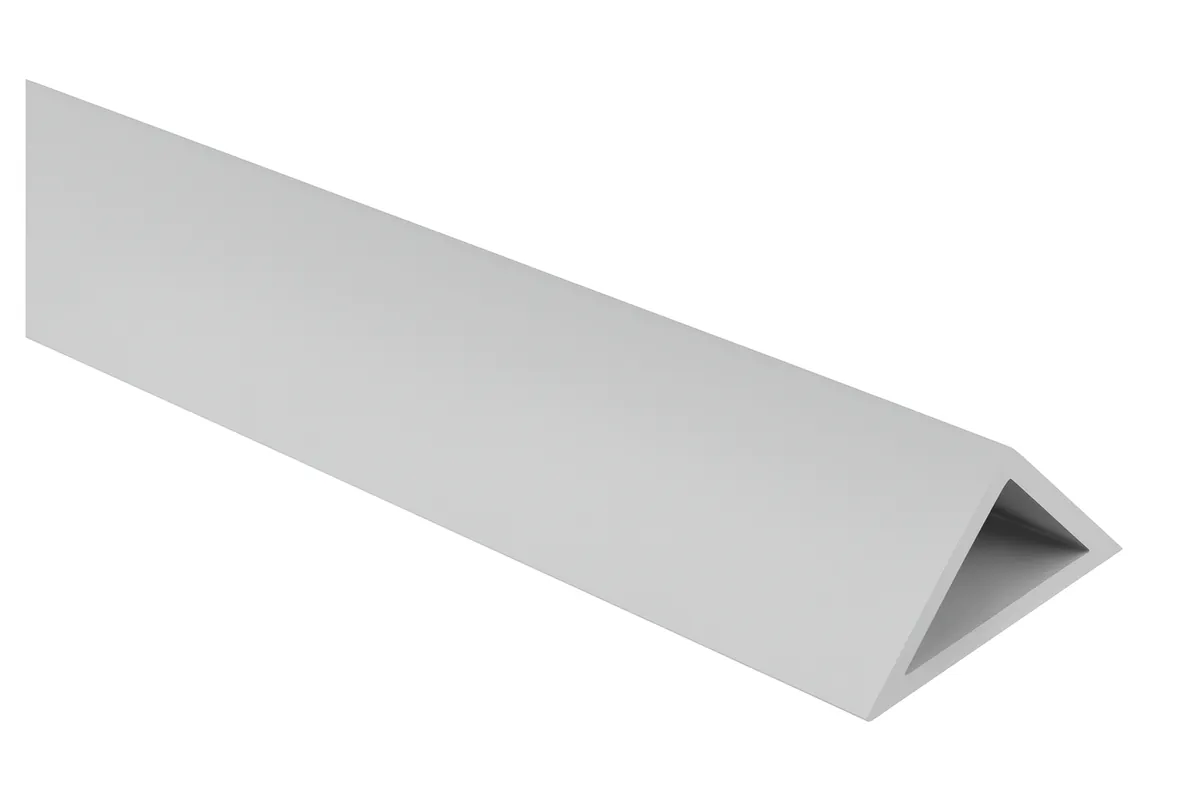
- Use PVC chamfers on column corners in the same formwork to get clean, chip-free edges.
Order formwork accessories in bulk
Kunplast manufactures tie rod pipes, cones, chamfers and trapezoidal profiles in Ahmedabad for formwork contractors, builders and dealers across India. Tell us your wall thickness, pipe size and quantities for a quote.
Frequently asked questions
What is a PVC tie rod pipe?
It is a plastic sleeve placed between formwork faces. The steel tie rod passes through it, so the rod can be pulled out and reused after the concrete sets.
Which tie rod pipe thickness is best?
1.5 mm suits most building work. Use 2 mm for heavier formwork and taller pours, and 1 mm for light-duty jobs.
Are tie rod cones reusable?
Cones that come out undamaged can be reused. They are also inexpensive enough to replace when worn.