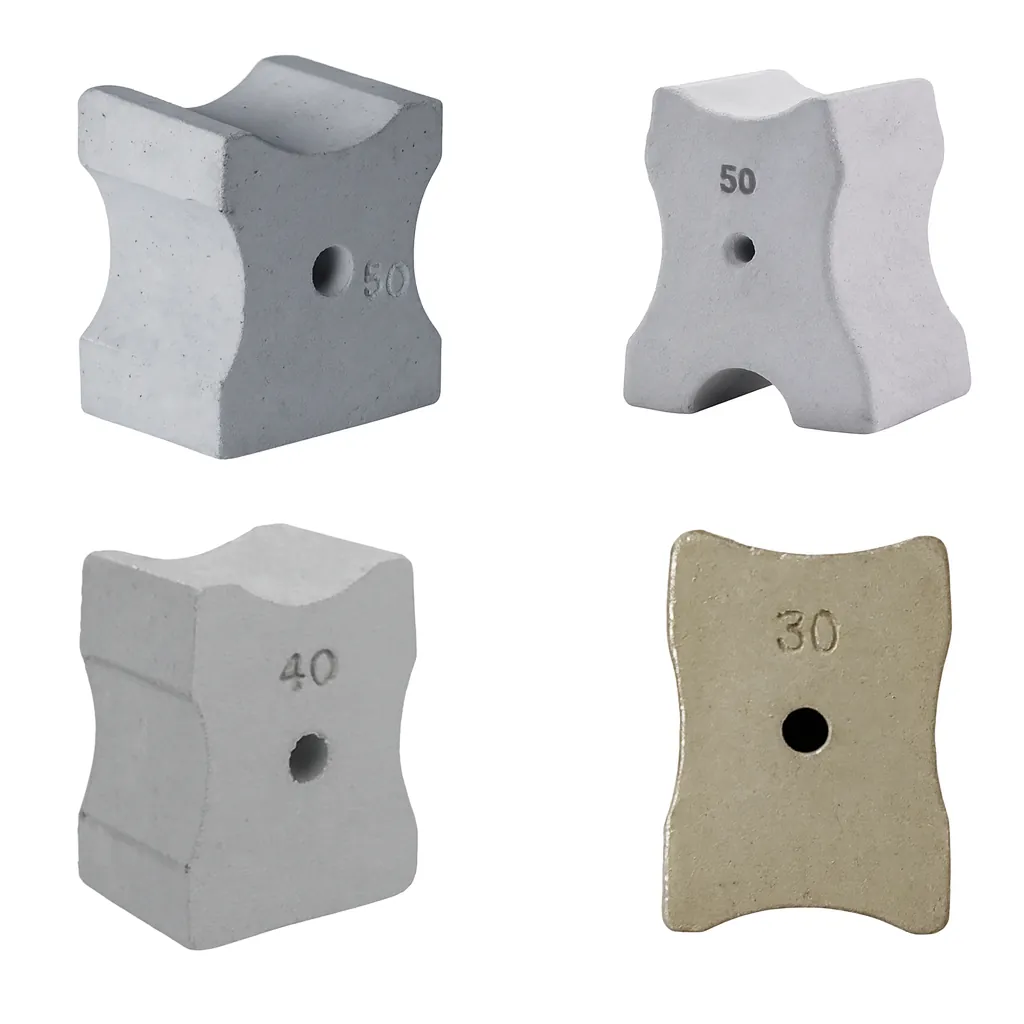

Concrete cover is the layer of concrete between the outer surface of an RCC member and the nearest reinforcement bar. It protects steel from corrosion and fire and lets the bars bond properly with the concrete. Cover blocks (spacers) hold the steel at the right distance from the formwork so that cover is actually achieved on site. Using the wrong size is one of the most common causes of early rusting and cracking in Indian buildings.
Nominal cover by exposure condition (IS 456)
IS 456:2000, the Indian code for plain and reinforced concrete, sets the minimum nominal cover according to how harsh the environment is:
| Exposure condition | Typical situation | Nominal cover (min.) |
|---|---|---|
| Mild | Concrete protected from weather, inside buildings | 20 mm |
| Moderate | Sheltered from heavy rain, or in contact with non-aggressive soil | 30 mm |
| Severe | Exposed to heavy rain, alternate wetting and drying, coastal air | 45 mm |
| Very severe | Exposed to sea-water spray or aggressive soil | 50 mm |
| Extreme | Tidal zones, in contact with aggressive chemicals | 75 mm |
IS 456 also sets minimum cover by member: for longitudinal bars in columns, cover should be at least 40 mm (and not less than the bar diameter), and for footings at least 50 mm. Always follow the cover shown on your structural drawings; the engineer may specify more for fire rating or durability.
Which cover block size for which member?
| Member | Common cover block sizes |
|---|---|
| Slabs (internal, mild exposure) | 20–25 mm |
| Beams | 25–30 mm (more for external/severe exposure) |
| Columns | 40 mm |
| Footings and rafts | 50 mm and above |
| Coastal / aggressive environments | 45–75 mm as specified |
Kunplast supplies cover blocks from 20 mm up to 75 mm, so one supplier can cover every member on a project.
How many cover blocks do you need?
Spacing depends on bar size and the stiffness of the cage, but a common site practice is to place blocks at roughly 0.75–1 m centres in each direction under slabs, and at about 1 m intervals along beams and columns, with extra blocks at laps and corners. Thin or flexible mesh needs closer spacing so the steel does not sag between blocks.
Site tips for getting cover right
- Check the block size before placing. Mixing a 20 mm block into a 40 mm column is easy when bags are unlabelled.
- Tie blocks to the steel so they don't fall out while concrete is poured and vibrated.
- Stagger blocks rather than lining them up, to avoid weak lines in the finished surface.
- Inspect before the pour. Walk the slab and look under it; any bar touching the formwork has zero cover.
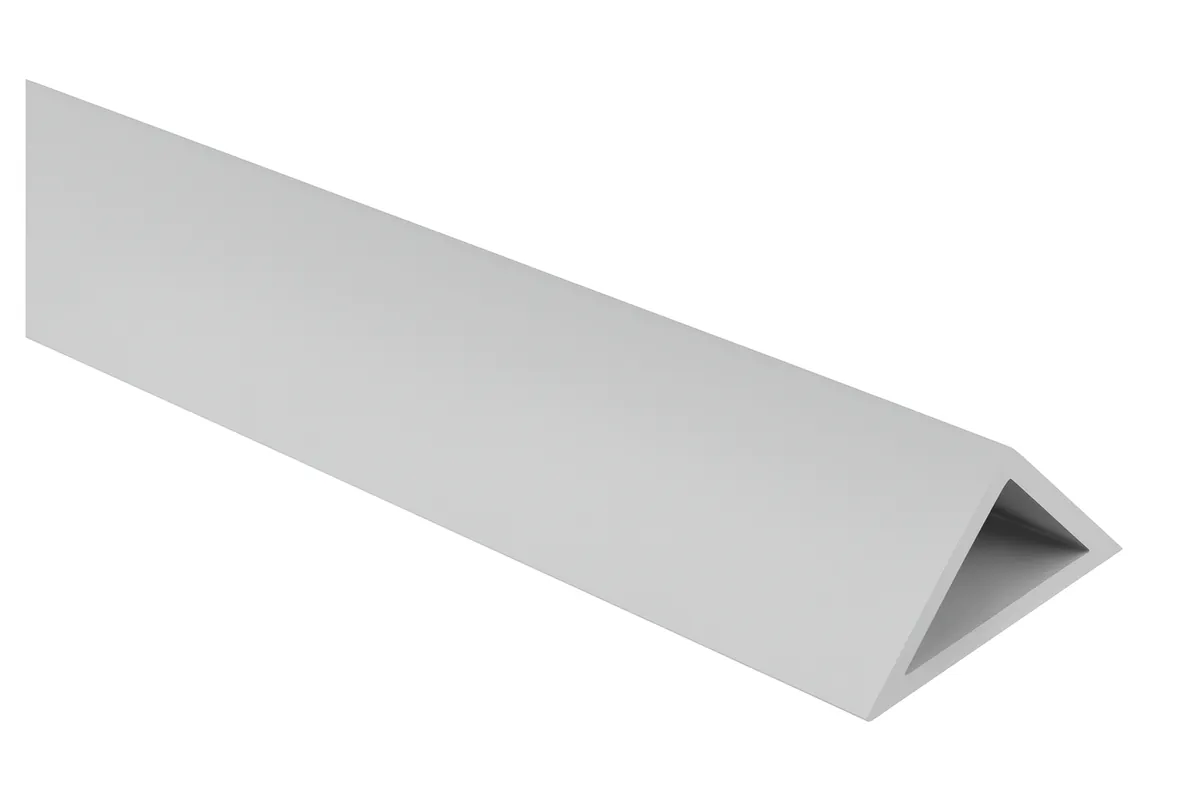
- Finish corners with chamfers. PVC chamfer strips stop corners from chipping, which would otherwise expose the steel.
Buy cover blocks in bulk
Kunplast manufactures cover blocks in Ahmedabad, packed from 1000 pieces (small sizes) to 100 pieces (large sizes), with dispatch to sites and dealers across India. Send us your sizes and quantities for a quote.
Frequently asked questions
What is the minimum cover for a slab as per IS 456?
For mild exposure, the minimum nominal cover is 20 mm. Use more for moderate (30 mm) or severe (45 mm) exposure, or whatever your drawings specify.
What cover is required for columns?
IS 456 requires at least 40 mm cover to longitudinal bars in columns, and not less than the bar diameter.
What cover is required for footings?
At least 50 mm for footings, or more if the exposure condition or drawings require it.